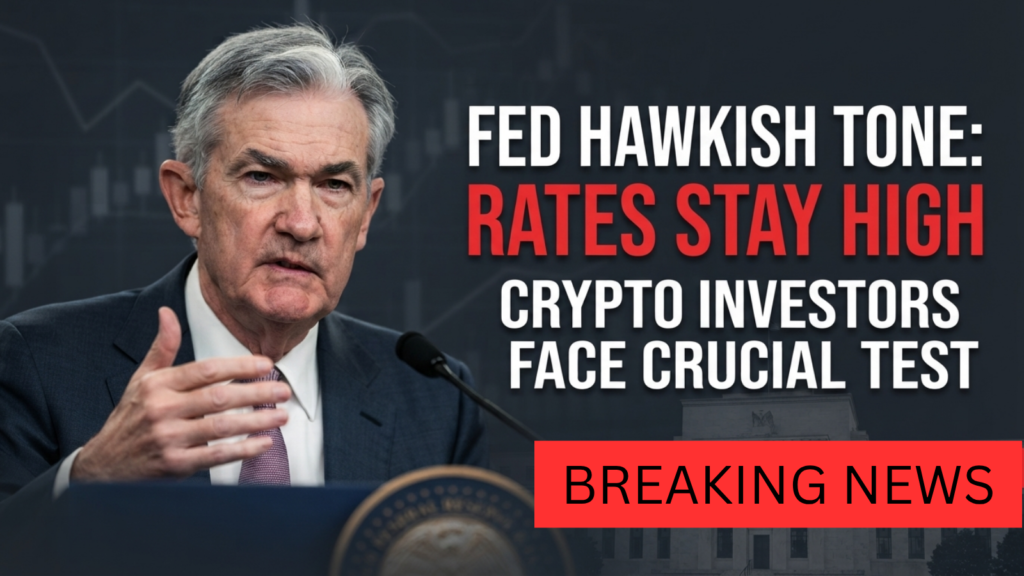
Fed rate decision inflation concern is reshaping investor expectations as Federal Reserve Chair Kevin Warsh delivered a hawkish tone that contradicted market optimism for rate cuts. The FOMC’s July 2026 vote to hold rates steady at 3.50%-3.75% masked a deeper crisis: the central bank now openly debates whether inflation control demands rate hikes, not cuts. CBS News
📈 Track real-time charts and professional market indicators with the world's leading charting platform.
Open Free TradingView Account →Disclaimer: We may earn a commission if you sign up through our link at no extra cost to you.
Why This Fed Rate Decision Matters for Crypto
This Fed rate decision and inflation concern matter for Bitcoin, Ethereum, and every crypto asset depending on favorable monetary conditions. Here’s what you need to know.
1. The Fed Rate Decision Sparked Inflation Alarm Bells
On July 29, the Federal Open Market Committee announced its rate decision at 2:00 p.m. Eastern Time. The announcement was routine—no rate change. But the dissent was extraordinary. Three regional Federal Reserve presidents voted for an immediate quarter-point increase, arguing that with inflation still above the Fed’s 2% target, the central bank shouldn’t remain idle. CBS News
This isn’t just disagreement. It’s a warning. When one-quarter of voting members demand tighter policy despite a “pause,” you can be certain Fed rate decision inflation concerns are driving their thinking.
Chair Kevin Warsh sealed it with his comment: “Five-plus years of inflation above target cannot be cured in nine weeks.” Translation: rate cuts are off the table. The Federal Reserve’s inflation concern now dominates policy debates.
2. Oil Prices Are Amplifying Inflation Concerns
The timing couldn’t be worse for crypto bulls hoping for dovish surprises. Oil prices have been volatile recently amid on-again, off-again fighting between the U.S. and Iran, and while crude futures were lower to start the Fed week, they’re up more than 20% for July. Federal Reserve
A 20% monthly surge in crude translates directly into headline inflation readings—the metric policymakers see first. If the U.S.-Iran conflict escalates further, oil could breach $90, pushing the Fed rate decision inflation concern from theoretical to urgent.
This dynamic explains why the Fed paused. Not because inflation is conquered, but because oil volatility makes the outlook unpredictable. Yet Warsh’s hawkish rhetoric reveals the Fed’s true stance: if oil stays elevated, rate hikes come in September.
3. Bitcoin and Crypto Face a Critical September Test
Here’s the brutal reality: Bitcoin thrives when inflation exceeds real interest rates (nominal minus inflation). Today, that advantage has narrowed.
The rate on the 10-year Treasury yield rose 5 basis points to 4.657%, and the 30-year Treasury bond yield advanced more than 9 basis points to 5.193%. Investors can now lock in 4.5%-5.2% guaranteed returns in government bonds. Wells Fargo Advisors
Bitcoin must compete against that—without guaranteed returns. Unless Fed rate decision inflation concerns keep headline inflation hot, crypto becomes the riskier asset without the yield cushion.
However, if oil stays elevated and the Fed’s September rate hike fails to materialize (due to recession fears), Bitcoin’s inflation hedge narrative reignites. The next eight weeks are crucial.
What Crypto Investors Should Do Now
Prepare for volatility. The September FOMC meeting will be a binary event. Either the Fed hikes (crushing crypto), or geopolitical risk keeps inflation high (supporting Bitcoin as a hedge).
Position sizing matters. Smaller crypto allocations make sense in a “higher for longer” regime. But if you believe inflation stays sticky despite rate hikes, Bitcoin’s long-term upside remains intact.
Monitor oil prices religiously. Every $5 move in crude signals a fresh inflation concern that affects the Fed’s calculus. Watch Treasury yields too—they’re now your leading indicator for crypto volatility.
The Broader Context
The Federal Reserve’s inflation concern now shapes global markets. At the start of 2026, many economists predicted at least one rate cut this year. But resurgent inflation tied to rising energy prices has prompted some forecasters to instead expect higher rates before year-end. Federal Reserve
This shift from “cuts coming” to “hikes possible” explains the market’s sharp reaction. Crypto, being the most rate-sensitive asset class, absorbed the biggest blow.
Bottom Line: Fed Rate Decision Inflation Concern Is Here to Stay
The Federal Reserve rate decision just reset expectations. Inflation concerns remain the dominant theme. Bitcoin traders betting on easy money will face headwinds through September.
But patient investors who view crypto as a long-term inflation hedge should weather this volatility. The real test arrives in 60 days.
Editorial Note: This article was researched and drafted with AI assistance, then rigorously fact-checked, edited, and published by Miles. All content is strictly for informational and educational purposes only and does not constitute professional investment advice. Cryptocurrency and global financial markets experience severe volatility, sometimes swinging 50% or more in a single day. Invest only capital you can comfortably afford to lose, and always consult a certified financial advisor before committing funds. Read my full Disclaimer for more details.
Ready to Start Trading Cryptocurrency?
Open your account at a trusted exchange and begin trading today:
Sponsored & Disclosure: This box contains affiliate links. We earn a commission when you sign up through these links at no extra cost to you.