
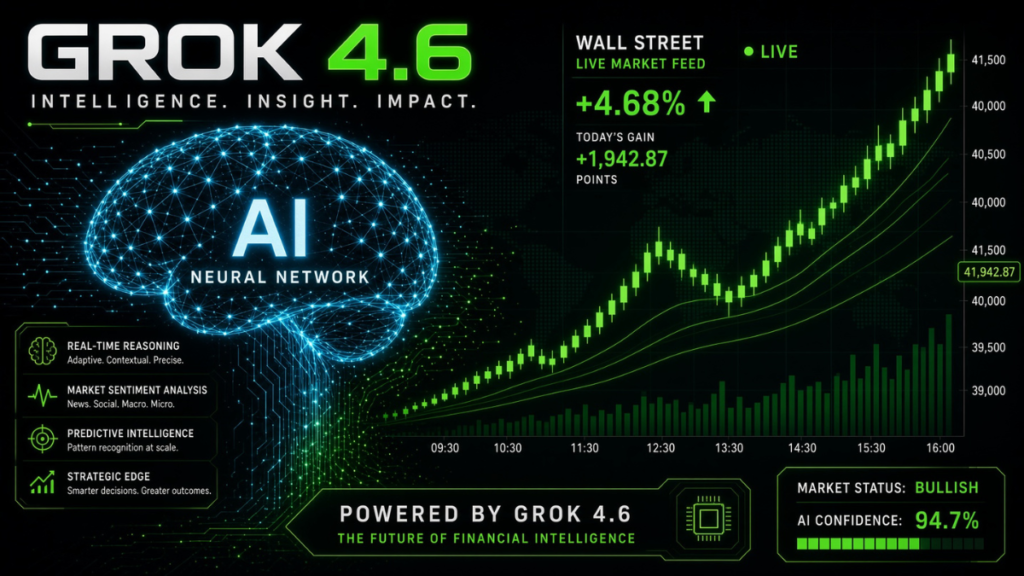
United States equity futures advanced on Thursday, August 13, 2026, as investors processed a convergence of cooling inflation data and a significant retreat in energy prices. During the session, S&P 500 futures advanced by 0.20% to touch $7,86.00, while Dow Jones futures experienced a 0.28% uptick—gaining $152.00 to trade near the $54,023.00 mark. Market sentiment found support in Labor Department data showing core inflation at its lowest annual pace in five years, effectively dampening expectations for immediate Federal Reserve intervention. This optimistic atmosphere follows a period of heightened geopolitical volatility and concerns regarding sustained corporate costs in the technology and industrial sectors.
Crude Oil Prices Retreat from Recent Peaks Amid Geopolitical Standoff
Energy markets provided a much-needed reprieve for equity investors on Thursday as crude oil prices experienced a sharp pullback. New York-traded crude oil futures fell 2.13%, dropping $1.77 to settle near $81.50 per barrel. Meanwhile, Brent crude, the international benchmark, slipped to approximately $87 a barrel. This decline follows a volatile six-session period where oil prices surged roughly 12% due to escalating tensions in the Middle East.
The primary driver of the previous week’s rally involved the ongoing diplomatic stalemate regarding the Strait of Hormuz. Despite the recent price dip, energy costs remain elevated as a definitive agreement between the United States and Iran to maintain the waterway’s openness remains elusive. Pratiksha Thayil, writing for NDTV Profit, noted that “the direction of oil and incoming economic data will likely remain key to determining whether the recent Wall Street rally can extend further”.
Investors remain wary of the potential for “energy-led” inflation, which could disrupt the current downward trajectory of consumer prices. A sustained rise in crude costs typically forces corporations to adjust their guidance due to increased logistics and manufacturing expenses. However, Thursday’s price action suggests that markets are currently pricing in a stabilization of supply risks, even as Iran warns the U.S. that “fake intel is worse than fake news” regarding the Hormuz situation.
Core Inflation Hits 2021 Lows, Providing Relief for the Federal Reserve
The latest domestic economic indicators have significantly bolstered the argument for a pause in the Federal Reserve’s tightening cycle. The July Consumer Price Index (CPI) report, released on Wednesday, indicated that price pressures are cooling in line with market expectations. Specifically, core CPI—which strips out volatile food and energy components—increased by 0.2% on a month-on-month basis.
On an annual basis, core inflation rose 2.5%, marking its slowest pace of growth since March 2021. Total annual inflation was recorded at 3.4%, as easing gasoline prices helped lower the headline figure. This moderation in inflation is a critical component of Wall Street’s current record-high aspirations. The data effectively reduces the immediate pressure on central bank officials to implement further interest rate hikes, a sentiment that has pushed the S&P 500 within striking distance of its all-time high.
The cooling inflation trend aligns with other recent indicators of a softening economy. A weaker-than-expected July jobs report recently showed that the U.S. economy unexpectedly lost 23,000 positions, while the unemployment situation suggests a “lull” in specific sectors like teen hiring. This combination of slower job growth and contained price increases provides the Federal Reserve with a clearer path toward maintaining current rate levels or considering future cuts.
Super Micro and Technology Giants Propel Nasdaq Momentum
The technology sector continues to serve as the engine of the broader market rally, with semiconductor and artificial intelligence (AI) stocks leading the charge. Super Micro Computer Inc. (SMCI) emerged as a top performer, with its stock price jumping 19.02% to $37.61 following strong fourth-quarter results and a robust outlook for the upcoming period. This surge in SMCI highlights the persistent demand for high-performance computing infrastructure.
Similarly, Space Exploration Technologies Corp (SpaceX) saw its stock (trading under the SPCX ticker) rise 9.65% to $146.15. The move followed comments from Elon Musk regarding the introduction of a new xAI model, Grok 4.6. These gains helped push the Nasdaq 100 futures up 0.091% to $29,880.50, reaching a one-month high. Other notable technology movers included Nokia Oyj, which gained 9.32% despite a 28.7% decline over the previous three months.
The concentration of gains in major tech firms like Apple Inc., Alphabet Inc., and Microsoft Corp.—which remain the most-followed stocks on Google Finance—underscores their significance to the indices. Meta Platforms Inc. also saw a significant gain of 3.38%, even as the company faces regulatory scrutiny over account deletions in Australia. The sustained momentum in these large-cap entities has provided a cushion for the market against broader economic uncertainties.
Institutional Shifting and Corporate Governance Challenges
Beyond the primary indices, several major corporations are undergoing significant institutional shifts or facing legal and regulatory hurdles. Ford Motor Co. announced it is boosting U.S.-based Lincoln production as it begins to phase out imports from China, a move that saw its stock rise 1.07%. This strategic pivot reflects broader trends in supply chain repatriation and domestic industrial investment.
However, the corporate landscape is not without friction. In the publishing world, Forbes recently fired a top editor after discovering a secret $6 million payment. In the legal arena, former President Donald Trump faces a federal lawsuit alleging “profoundly corrupt” practices related to selling early access to Truth Social posts. Furthermore, Whole Foods has initiated a recall of salsa, guacamole, and prepared foods across 12 states due to Salmonella concerns.
These individual corporate events have led to a divergence in stock performance. While companies like Orla Mining Ltd. gained 5.59%, others like Opendoor Technologies Inc. fell 2.51% following analyst questions regarding their second-quarter earnings call. The varied performance across sectors suggests that while the macro-outlook is improving, micro-level execution and governance remain critical for individual security performance.
Consumer Credit Stress and Labor Market Realities
Despite the positive momentum in the equity markets, underlying data reveals growing financial strain among American households. CNN Business reports that an increasing number of Americans are struggling to keep up with home and car payments. This rise in delinquency risk coincides with the unexpected loss of 23,000 jobs in the previous month, creating a “confounding economic moment” for policymakers.
The stress on the consumer is also reflected in the retail sector. While Costco has brought back fan-favorite Kirkland treats after a two-year absence to bolster foot traffic, the broader job market remains tight. The White House has responded to economic pressures by renewing its attempt to remove Federal Reserve Governor Lisa Cook, indicating potential friction between the administration and the central bank’s current direction.
Institutional perspectives on the future of the market remain mixed. Habil Khorakiwala, Chairman of Wockhardt, stated in a recent interview that his company expects to see “a hockey stick growth,” reflecting optimism in certain industrial and pharmaceutical niches. Conversely, the broader market must contend with a widening trade deficit—noted at $31.9 billion in international markets like India—and a 17% rise in merchandise imports, which could impact future domestic GDP calculations.
Conclusion
The convergence of easing inflation at 3.4% and the retreat of crude oil to $81.50 has provided Wall Street with the necessary momentum to eye new record highs. While technology and semiconductor gains led by Super Micro and SpaceX dominate the headlines, the underlying economic picture remains complex due to a softening labor market and rising consumer credit stress. Investors will now look toward the upcoming earnings releases from Nu Holdings and Applied Materials to gauge the sustainability of the current corporate growth trajectory.
Editorial Note: This article was researched and drafted with AI assistance, then rigorously fact-checked, edited, and published by Miles. All content is strictly for informational and educational purposes only and does not constitute professional investment advice. Cryptocurrency and global financial markets experience severe volatility, sometimes swinging 50% or more in a single day. Invest only capital you can comfortably afford to lose, and always consult a certified financial advisor before committing funds. Read my full Disclaimer for more details.
