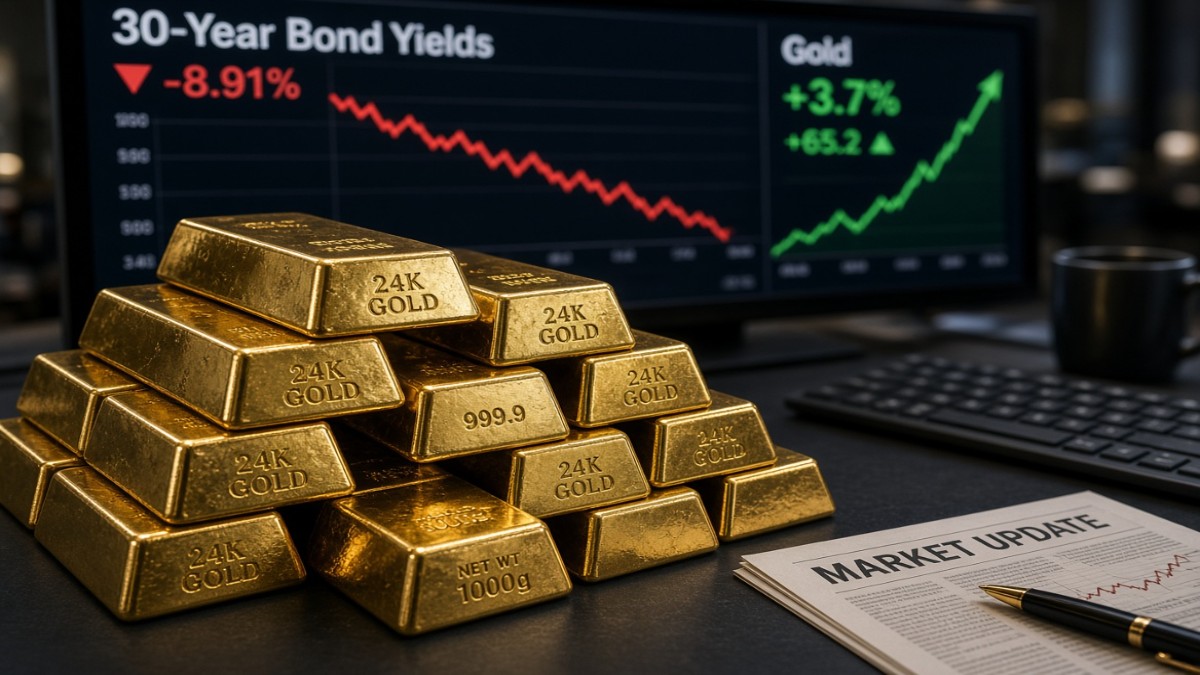
Scott Bessent’s U.S. Treasury sent shockwaves through global financial centers Wednesday by doubling the scale of US Treasury bond buybacks to combat a deepening rout in sovereign debt. This surprise intervention increases liquidity-support operations from $2 billion to at least $4 billion per session for 10- to 30-year securities. The policy shift triggered an immediate and violent reversal in spiraling long-term yields. The 30-year Treasury yield, which had hit a 19-year high only 24 hours earlier, plunged nearly 10 basis points following the news. Market participants interpreted the aggressive move as a decisive effort to prevent disorderly price action in the $31 trillion government debt market.
“Traders are pricing in the signal that the Treasury is willing to lean against disorderly moves,” noted Joseph Purtell, a rates trader at Neuberger Berman. He suggested the market now sees a “soft line in the sand” regarding interest rate thresholds. The announcement hit outside the usual quarterly schedule, heightening speculation that officials felt compelled to respond to recent volatility. John Briggs, a market strategist, told the Wall Street Journal that the timing indicated Treasury officials “didn’t like what was happening”.
The dollar index crumbled 0.8% against a basket of currencies, providing a massive tailwind for dollar-denominated assets. Gold emerged as the primary beneficiary of the volatility, with spot prices surging 3.7% to $4,487.91 per ounce, its highest level in over two months. Silver followed suit with a 4% rally, while platinum and palladium gained 5.1% and 2.7%, respectively. Robert Gottlieb, a metals expert and former head of precious metals at Koch Supply and Trading, described the move as “totally unexpected” and “very bullish for gold”.
Equity markets found immediate relief as yields retreated, lowering corporate borrowing costs and reducing competition from safe-haven bonds. The S&P 500 inched higher by 0.3%, accompanied by a 0.2% gain in the Dow Jones Industrial Average. Still, the relief was not limited to traditional assets. Bitcoin surged over 5% to trade near $68,100, as investors bet the Treasury might tolerate higher inflation to stabilize the debt curve. This move effectively signaled a policy pivot that prioritizes market stability over the Federal Reserve’s recent hawkish leanings.
Despite the immediate rally, skeptics remain focused on the long-term trajectory of interest rates. Prediction markets on Kalshi still place 53% odds on the 10-year Treasury yield finishing the year at 4.75% or higher. Some analysts argue the $2 billion increase is a mere rounding error in the grand scheme of federal debt. Yet, the psychological impact of the intervention remains the dominant narrative on Wall Street. The Treasury’s plan for expanded US Treasury bond buybacks will remain in effect until November 4, ensuring a period of heightened government presence in the secondary market.